


McIlhenny Company
Makers of Tabasco since 1868
September 2026, Episode 15 · 29 min
[Apple] · [Spotify] · [Episode Page]
Edmund McIlhenny was born in Hagerstown, Maryland, in 1815. By the 1840s he was an independent banker in New Orleans with five branches of his own. At the end of the Civil War he was destitute and he moved his family into his father-in-law’s house on Avery Island, Louisiana.
They encouraged him to bottle his pepper sauce and take it to New Orleans. He started McIlhenny Company in 1868, and for the rest of his life he produced about 367,000 bottles. The company can now make that in half a day.
How have they lasted this long as a family company? I sat down with Tony Simmons, their former CEO, to find out.
Tony Simmons was the seventh family member to run McIlhenny Co. He held their top job from 2012 until 2019, and he is the great-great-grandson of the man who started it.
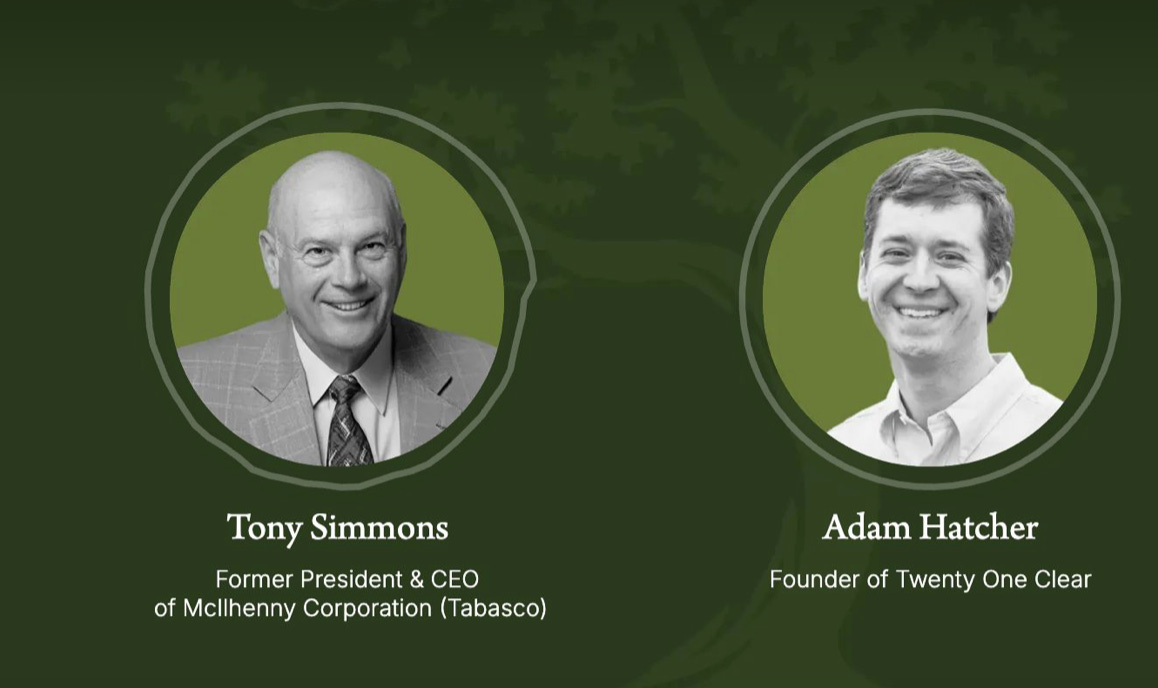
But Tony sold construction cranes for twenty-five years first. Houston, then Singapore, then a distributorship of his own covering five states and the Caribbean. He did not think about joining the family company; the next generation is told early, and plainly, not to build a life around working there.
Then he was in his late forties, and the phone rang.
This is the fifteenth episode of the podcast. I have been excited to share Tony’s story since we met earlier this year. Tabasco is a global brand, but Tony’s story will feel familiar to every family company.

Two more things are coming out of this conversation:
Episode 16 is their inner-family business: governance, ownership, and how a man who spent twelve years preparing to run it prepared just as carefully to stop.
A bonus tasting, going out on the newsletter and on YouTube, in which Tony puts five bottles on the table and teaches me how to taste them. Watch that one rather than listen to it, if you can.
As Heard on this Episode
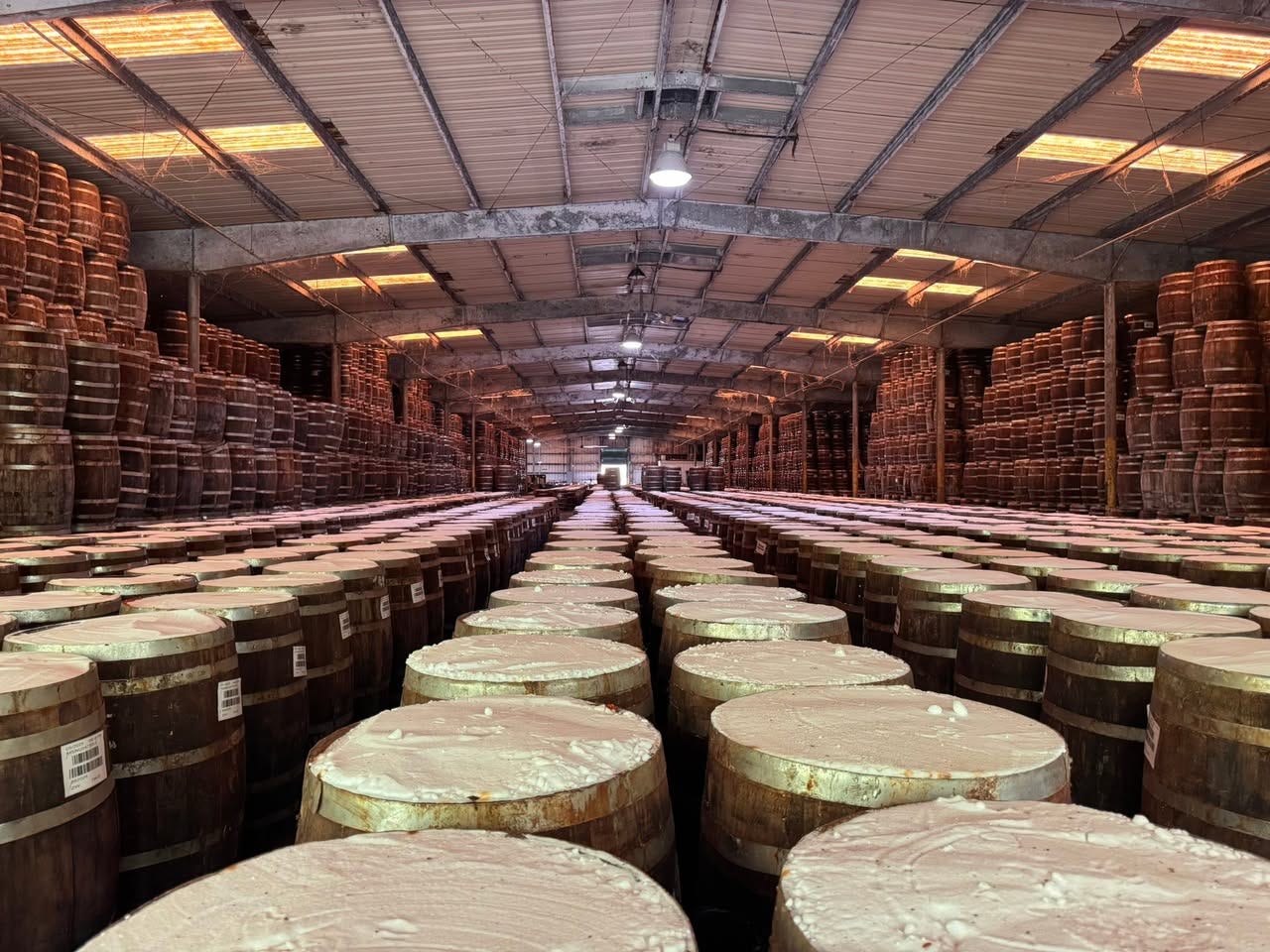
The peppers are mashed with salt on the day they come in and sealed into white oak barrels. The crust you can see on the barrel tops is that salt. They sit like this for up to three years before entering production. In total, seed to table is five years.
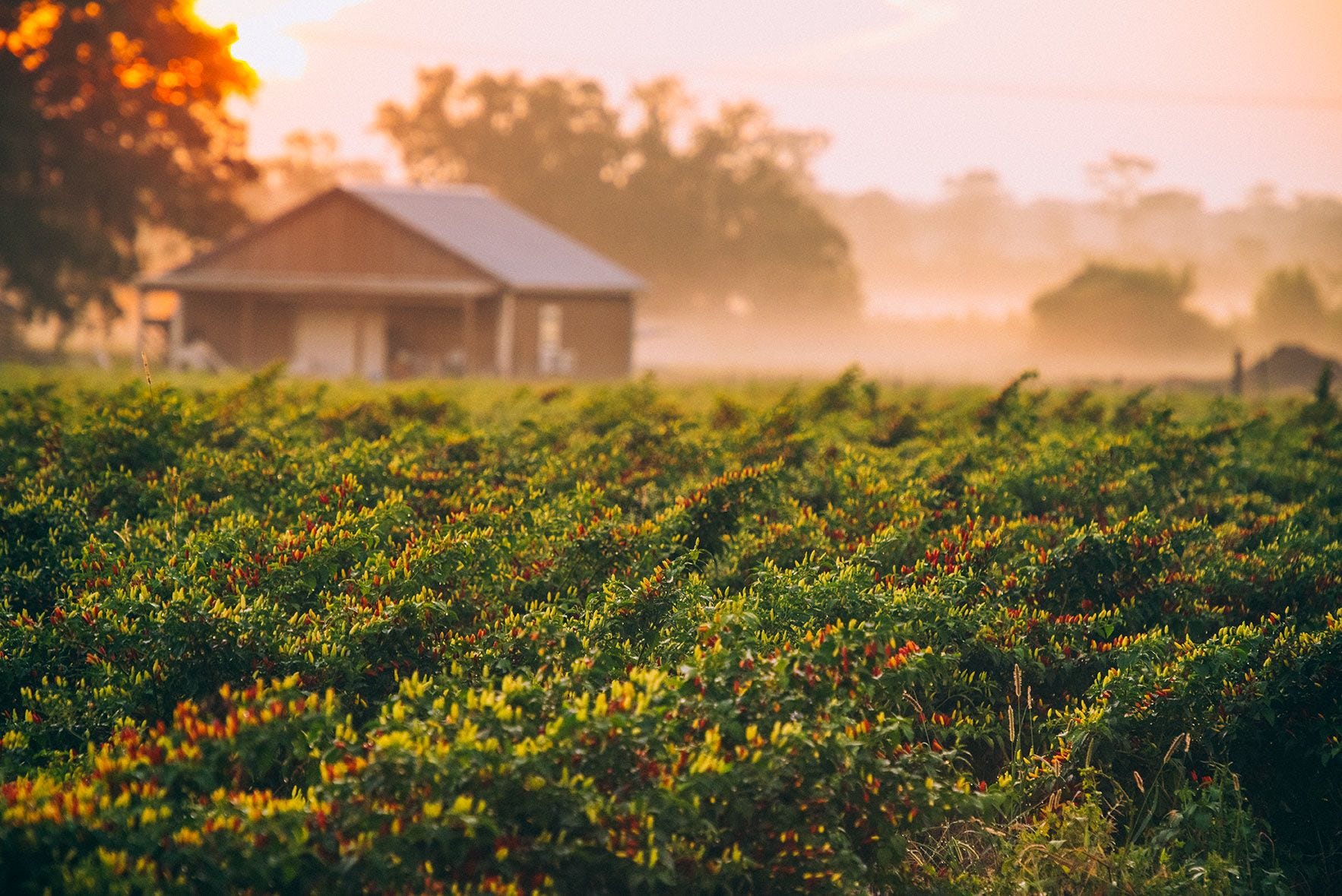
The peppers are grown all over the world now, mostly by growers in Central and South America. Despite that scale, everything is still bottled on Avery Island.
Till the next episode…
I hope you enjoy part one of my conversation with Tony. As my grandfather would have said, thank you so very, very much for listening,
Adam, for 21 Clear
The line that stuck with me is that the next generation is told early, and plainly, not to build a life around working there. It’s the opposite of the family businesses I see, where the kids move straight from school into senior roles. Tony spending 25 years elsewhere before the phone rang explains a lot about why he could run it on his own judgment. Did the family have a formal test for who could come back in, or was it more a case of the right person at the right moment?