

It is hard to build a global brand from a rural island in the southeastern U.S.
Especially one that survives its second CEO going off to join Teddy Roosevelt’s Rough Riders and that caused a royal incident when Queen Elizabeth could not find its product during World War II!
But that is the story of the McIlhenny Company, the maker of Tabasco pepper sauce, rooted on Avery Island, Louisiana.
What amazes me even more than the company’s success is that the same family has owned and controlled the business for 158 years. That detail led to a long interview with Tony Simmons, former CEO of McIlhenny Company.

Over the next few months, we are going to release three podcast episodes with Tony:
Episode 1: Tony’s Story
Episode 2: McIlhenny’s Inner-Family Business
Episode 3: A Tabasco Tasting!
I am really excited to share these with you, and I wanted to give you a short preview first.
Defining a Great Company
I am close to taking pre-orders for my book, A Chaos-Proof Family Business. I shared an idea from it with Tony to get his reaction. Here is the excerpt:
A great family company can be a fourth-generation global enterprise with annual revenue exceeding $25 billion, but it does not have to be. Healthy family companies are as unique as the company and the family. In fact, most family-owned companies do not become the likes of Marriott or Walmart. International scale is not the goal of many great family companies.
Instead, a great family company, however you shape it, is one that has a significant and positive impact and reaches, or approaches, full value.
What I sensed in my time with Tony was the family’s contentment with the business. Not complacency, mind you. They seem highly competitive and savvy. Their recent election of high-powered family board members and hiring a non-family CEO underscores that. But they also have not tried to expand like H.J. Heinz did.
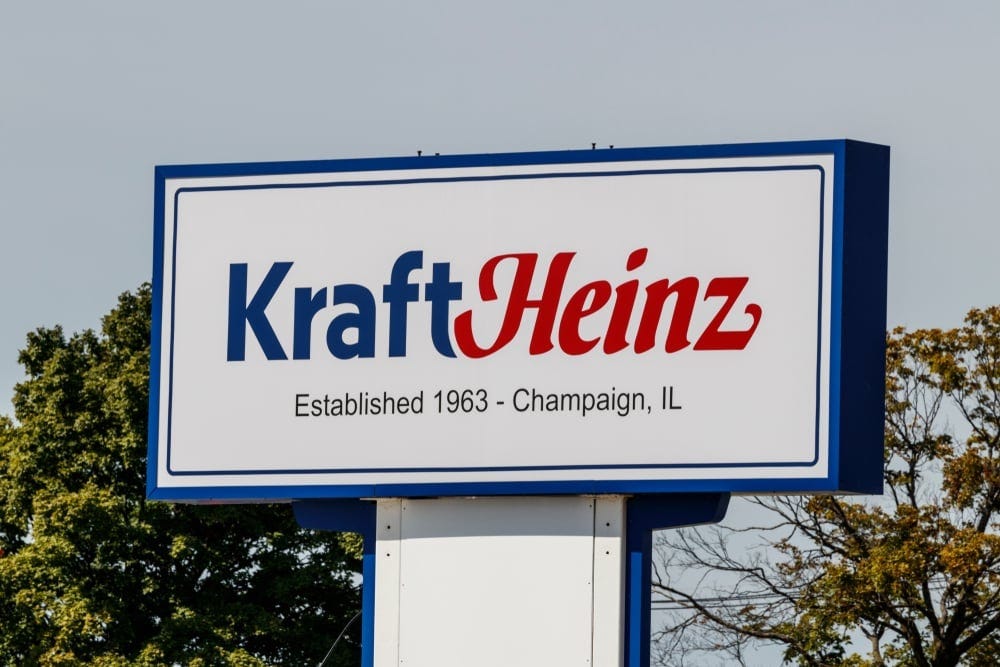
Heinz also started with a single product meant to improve the taste of food, grated horseradish. Heinz was founded within a year of McIlhenny and was also controlled by a family. But their definitions of greatness split from there, with Heinz expanding well beyond horseradish, and then changing ownership:
1946: First IPO
2013: Taken private by Berkshire Hathaway and 3G Capital
2015: Merged with Kraft and taken public again
Since the 2015 merger, the company has grown to a $29 billion market capitalization with 35,000 employees worldwide and products from ketchup to coffee to marshmallows.
McIlhenny, by contrast, employs fewer than 200 people. And despite its 10+ product lines, it really just makes a lot of aged pepper sauce.
So I asked Tony: why not try to beat Heinz? Tony gave an clear two-part answer:
The family shareholders are getting what they want out of the business, and the company has what it needs to grow.
They decided to stay with what they know: making pepper sauce, not buying up other consumer packaged goods companies.
Having talked to Tony, I cannot imagine his extended family going on the ride Heinz went on. But also, as a pure pepper sauce company, my guess is they are the most valuable in the world. The business also has a positive impact on the family, its employees, and charitable causes.
Value and positive impact. They have a great company, and they defined it their own way.
That is just a taste, or I guess a dash, of our upcoming releases. Look for Episode 1 soon!
Till next time…
As my grandfather would have said, thank you so very, very much for reading.
Adam, for 21 Clear

Fantastic article. Loved it.